
Buying or selling a home in Sanford: electrical issues that come up at inspection
By Thomas Quinn · Updated 2026-07-04
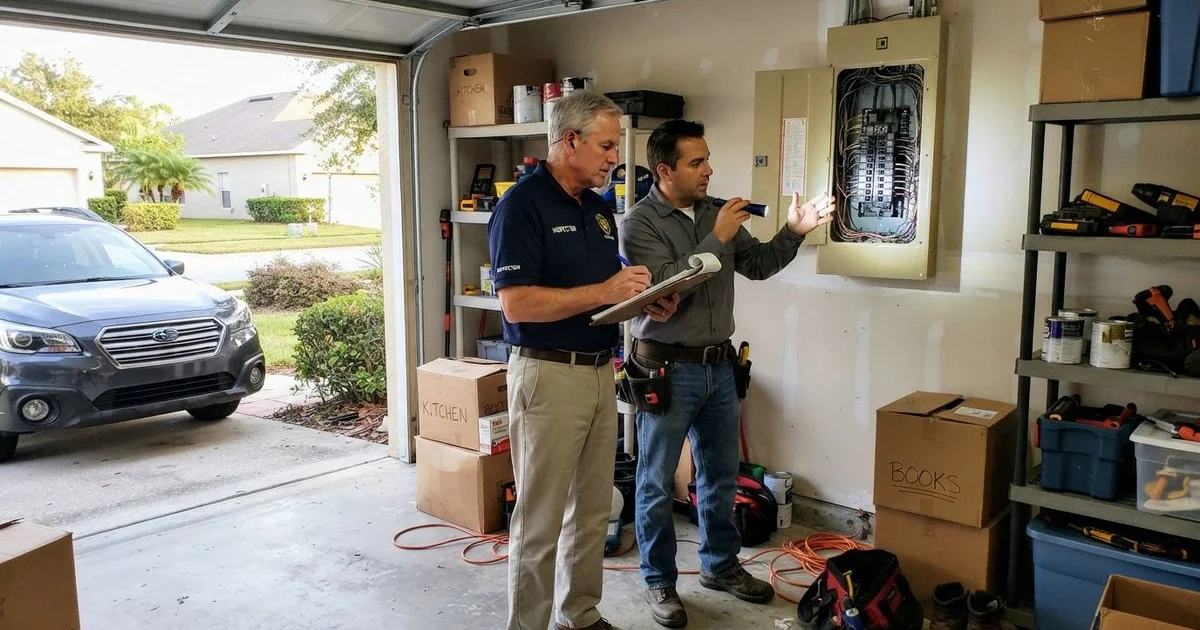
Electrical findings are one of the more common reasons a Sanford home inspection turns into a longer conversation between buyer and seller. Most issues aren’t deal breakers on their own, but they’re the kind of thing that shows up in writing, gets flagged to a lender or insurer, and becomes a negotiating point if nobody addressed it beforehand.
What inspectors flag most often
A general home inspector isn’t a licensed electrician, but their checklist reliably surfaces a handful of recurring issues in this area. Outdated panel brands with known reliability problems, missing GFCI protection in kitchens, bathrooms, and exterior outlets, double-tapped breakers (two wires under one breaker terminal, which is usually a code violation), and any sign of DIY work like mismatched wire nuts or exposed splices outside a junction box.
Older homes add their own layer: residential electricians in the Sanford area get called in regularly to evaluate aluminum or knob-and-tube wiring found during a pre-sale inspection, since both raise questions for buyers and their insurers.
For buyers: what to ask about
If the inspection report flags an electrical item, don’t rely solely on the general inspector’s summary for anything beyond the surface-level description. A licensed electrician can tell you whether a flagged panel is a real safety issue or a minor code-update item, and roughly what a fix would cost. That’s useful information whether you’re asking the seller for a credit, asking them to fix it before closing, or deciding it’s not worth walking away over.
Ask specifically about permit history for anything electrical that looks recently added, like a generator hookup, a subpanel, or an EV charger circuit. Work that was done without the required permit can become your problem to sort out after closing.
For sellers: what’s worth fixing ahead of time
Addressing an obvious issue before listing, rather than letting an inspector find it, usually costs less and moves faster than a mid-negotiation scramble. Missing GFCI protection in a kitchen or bathroom is a relatively inexpensive fix that removes an easy objection. A known problem panel brand or a panel that’s clearly undersized for the home’s current load is a bigger decision, but disclosing it upfront with a quote in hand tends to go over better than having a buyer’s inspector find it cold.
| Issue | Buyer impact | Typical seller move |
|---|---|---|
| Missing GFCI in kitchen/bath | Common objection, inexpensive fix | Fix before listing |
| Outdated or recalled panel brand | May affect insurability or financing | Get a quote, disclose, or replace upfront |
| Aluminum or knob-and-tube wiring | Can affect insurance underwriting | Document condition, consider pigtailing repairs |
| Unpermitted circuit or subpanel | Can delay closing while permit is retroactively pulled | Pull permit before listing if possible |
| Double-tapped breakers | Usually a quick, low-cost correction | Fix before listing |
Why insurance gets involved
Insurers increasingly ask underwriting questions about panel brand and wiring type before binding a policy on an older home, and a lender may require proof of an active, insurable policy before closing. That’s the mechanism that turns an electrical inspection finding from a minor note into something that can actually delay or complicate a sale. Getting ahead of it, on either side of the transaction, is almost always cheaper than dealing with it under a closing deadline.
How this plays out at the negotiating table
In practice, electrical findings usually resolve one of three ways: the seller fixes it before closing, the seller credits the buyer cash to fix it after, or both sides agree the finding is minor enough to leave alone. Which path makes sense depends on cost and urgency. A missing GFCI outlet is cheap enough that most sellers just fix it. A full panel replacement is expensive enough that a credit, letting the buyer choose their own electrician and timeline, often works better than the seller rushing a fix under a closing deadline.
Getting a second opinion
For anything beyond a clearly cosmetic finding, a walkthrough from a licensed electrician, separate from the general home inspector, gives both buyer and seller a more specific answer: what’s actually wrong, what it would cost to fix, and whether it’s a safety issue or a minor code-update item. That clarity tends to shorten the negotiation rather than extend it.
Compare residential electricians serving Sanford on the homepage, and see our methodology for how we evaluate electricians on inspection and diagnostic work.
FAQ
- What electrical issues most often show up on a home inspection?
- Outdated panel brands, missing GFCI protection in kitchens and bathrooms, aluminum or knob-and-tube wiring in older homes, double-tapped breakers, and unpermitted additions like a generator hookup or extra circuit.
- Do I have to fix every electrical issue an inspector flags?
- Not always, but safety items like exposed wiring or missing GFCI protection are the ones buyers and lenders are most likely to push back on. Cosmetic or minor code-update items are more negotiable.
- Can a home fail an appraisal because of old wiring?
- It can complicate financing. Some lenders and insurers flag known problem panel brands or active knob-and-tube wiring and require repair or a specific insurance rider before closing.
- Should I get an electrical inspection separate from the general home inspection?
- For an older home or one where the general inspector flags something specific, yes. A licensed electrician can give a more detailed read than a general inspector's electrical checklist.
Related on this site
- Browse residential electrician providers
- Aluminum wiring and knob-and-tube wiring: how to tell if your home is at risk
- Level 1 vs. Level 2 home EV chargers: which one do you need
- Electrical safety for aging in place: a checklist for adult children
- How to spot a real 24/7 emergency electrician (and avoid the no-show)
- All guides →