Financing electrical work in Florida: loans, utility programs and payment plans
By Thomas Quinn · Updated 2026-07-16
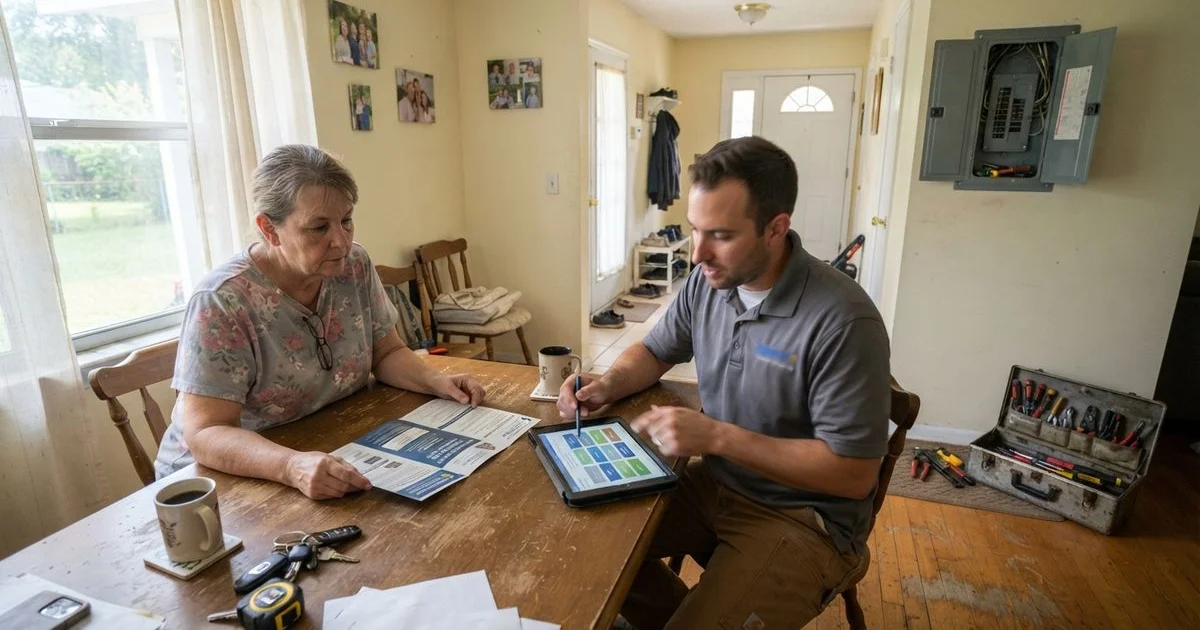
Bigger electrical projects, a panel upgrade, a whole-home generator, an EV charger circuit, often land in the thousands of dollars, which is enough to make financing a real part of the decision rather than an afterthought. A few paths exist, each with different tradeoffs worth understanding before you commit to one. Before financing anything, it helps to know what a fair quote actually looks like; see our guide on what it costs to hire an electrician in Sanford for typical price ranges by job type.
Contractor-arranged financing
Many electrical companies partner with a third-party lender and offer financing directly through the quote process, sometimes with promotional terms like a deferred-interest period. This is often the most convenient option since it’s built into the sales process, but convenience isn’t the same as the best rate. Read the actual APR and repayment terms rather than focusing only on the advertised monthly payment, and pay particular attention to what happens if a deferred-interest promotion isn’t paid off in full by the deadline, since some plans charge retroactive interest on the full original balance.
Personal loans
An unsecured personal loan from a bank or credit union gives you a fixed rate and term independent of the contractor, which makes it easier to shop and compare against contractor financing. It typically requires a credit check and, depending on your credit profile, may carry a higher rate than a home equity option but doesn’t put your house up as collateral.
Home equity financing
For larger projects, a home equity loan or line of credit often carries a lower interest rate than an unsecured loan, since it’s backed by your home. That’s the tradeoff: lower cost, more risk if you were ever unable to repay. This tends to make more sense for a bigger combined project, like a panel upgrade paired with a generator install, than for a single smaller job.
| Option | Typical rate range | Collateral | Best fit |
|---|---|---|---|
| Contractor financing | Varies, watch for deferred-interest terms | None | Convenience, smaller to mid-size jobs |
| Personal loan | Fixed, credit-dependent | None | Comparison shopping, moderate project size |
| Home equity loan/HELOC | Often lower than unsecured | Your home | Larger combined projects |
| Utility program | Varies by program | None | Specific eligible upgrades, when available |
Utility and manufacturer programs
Florida utilities, including Duke Energy in this area, periodically run programs tied to energy efficiency or electrification that can offset part of the cost of certain upgrades. Generator manufacturers and some electrical contractors also run seasonal promotions, particularly ahead of storm season. Availability changes, so ask your electrician directly what currently applies and confirm details with the utility or program administrator rather than assuming a program from a past year is still active.
What to check before signing any financing agreement
Confirm the total cost over the full loan term, not just the monthly payment, since a lower monthly number can hide a longer term or higher total interest. Ask what happens if you pay the project off early, since some financing carries a prepayment penalty. And get the electrical quote itself finalized and itemized before applying for financing, so you’re borrowing against a firm number rather than an estimate that could shift once work starts.
Watch for financing pushed harder than the work itself
Occasionally a sales process leans hard into financing, especially deferred-interest promotions, in a way that shifts focus away from whether the underlying quote is fair. If a technician spends more time selling the financing plan than explaining the scope of the job, treat that as a cue to slow down and compare the actual project cost against other quotes before deciding whether the financing terms are worth it. A good financing option should make a fair quote easier to afford, not make an inflated quote feel more manageable.
A reasonable way to decide
For a smaller job you can pay off within a year, contractor financing or a short personal loan is usually simplest. For a large combined project, comparing a home equity option against contractor financing, with the actual APR and total cost side by side, is worth the extra half hour it takes.
Compare electricians serving Sanford on the homepage, and see our methodology for how we evaluate pricing transparency, including financing terms.
FAQ
- Do electricians offer their own financing?
- Many do, often through a third-party lender partnered with the company, letting you apply during the quote process. Terms vary widely, so read the interest rate and repayment period carefully before signing.
- Does Duke Energy offer any programs that help with electrical upgrade costs?
- Duke Energy and other Florida utilities periodically offer programs related to energy efficiency, surge protection, or electrification upgrades. Availability and terms change, so check directly with your utility for what's currently offered rather than assuming a specific program exists.
- Is a home equity loan a good way to pay for a panel upgrade or generator?
- It can work for larger projects since rates are often lower than unsecured personal loans, but it puts your home up as collateral. Compare the total cost against a personal loan or contractor financing before deciding.
- Can I finance emergency electrical repairs?
- Some companies offer financing even for urgent repairs, though approval takes time you may not have in a true emergency. It's more commonly used for planned work like panel upgrades or generator installs.